Anxiety in ADHD, ASD, and SPD: Learn Practical Strategies

- Description
- Curriculum
- FAQ
- Reviews
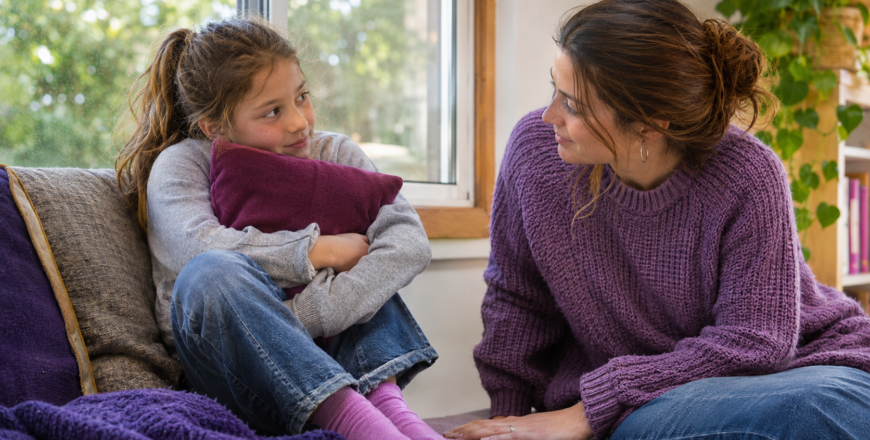
Stomach aches before school.
Refusal to join in, or tears at every change of plan. Irritability, shutdowns, difficulty falling asleep, avoidance that looks like defiance or laziness, and procrastination that looks like poor motivation. In adults, the same pattern can appear as overplanning, overworking or withdrawal. These behaviours are frequently misread. In many cases, they are driven by anxiety.
Anxiety is one of the most common mental health challenges in both children and adults, yet it is often misunderstood. Occasional worry is a normal part of life. Persistent anxiety, however, can interfere with learning, relationships, work, sleep, emotional wellbeing and everyday functioning. It frequently co-occurs with ADHD, autism, sensory processing differences and other neurodevelopmental profiles, which makes accurate understanding essential for effective support.
This online course is an evidence-informed exploration of anxiety for parents, teachers, therapists and other professionals. It explains what anxiety looks like, why it develops and how it can be managed. It covers the biology of anxiety, the role of the nervous system, common anxiety disorders, risk factors, diagnostic considerations, and the impact of anxiety across different stages of life.
The course also examines how anxiety presents in neurodivergent individuals and why it is often overlooked or misidentified. It considers how executive functioning difficulties, sensory sensitivities, uncertainty and chronic stress can contribute to heightened anxiety.
Beyond theory, the course sets out research-based strategies for use at home, in school and in clinical settings, including:
- recognising early warning signs
- reducing anxiety through environmental and behavioural supports
- building emotional resilience
- responding to anxiety-driven behaviours
- understanding current treatment approaches, including psychological interventions, lifestyle factors and, where appropriate, medication
Whether you support a child, work with clients or want a deeper understanding of anxiety yourself, this course provides the knowledge and practical tools to recognise anxiety early, respond effectively and create environments where people can feel safe and capable.
For additional resources, check out our blog posts and explore free materials in our shop. Interested in becoming an affiliate? Contact us here.
-
1
 Module 1: What is anxiety?
At the end of this module, you will be able to explain and define ‘anxiety’. You will also know about the symptoms and causes of various anxiety disorders. The difference between anxiety and fear is also discussed.
-
2
 Module 1 test
-
3
Module 2: Types of Anxiety
In this module, you will learn about various types of anxiety such as social anxiety, specific phobias, obsessive-compulsive disorder, post-traumatic stress disorder, as well as panic disorder.
-
4
Module 2 test
-
5
Module 3: Anxiety in Special Needs
At the end of this module you will be able to distinguish between a diagnosis of a special need and anxiety, as well as know how to help someone with a special need that has anxiety. You will also be able to identify teacher burnout.
-
6
Module 3 test
-
7
Module 4: Medications and Supplements
In this module you learn about the commonly prescribed medications for anxiety. Alternative medications, supplements, the role that cannabidiol oil can play in the treatment of anxiety as well as herbal remedies are also discussed.
-
8
Module 4 test
-
9
Module 5: Cognitive behaviour therapy
This module is an in depth discussion of Cognitive Behaviour Therapy (CBT); how it works, what it entails and what the steps and results may be when you apply it.
-
10
Module 5 test
-
11
Module 6: Other Therapy Techniques I
Learn how various alternative therapy techniques can help alleviate the symptoms of anxiety. Such techniques include: animal therapy, art therapy, exposure therapy.
-
12
Module 6 test
-
13
Module 7: Other Therapy Techniques 2
More additional alternative therapy techniques which can help alleviate the symptoms of anxiety are discussed. This includes massage, aromatherapy, and mindfulness.
-
14
Module 7 test
-
15
Module 8: Exercise and Diet
This module discusses how diet and exercise can affect anxiety disorders. It also discusses the best practices regarding both exercise and diet.
-
16
Module 8 test
-
17
Module 9: Other Lifestyle Considerations
This module discusses the relationship between sleep and anxiety, as well as the importance of a holistic healthy lifestyle for anxiety management. Therapy-based treatments that can be used to treat anxiety is also discussed. You will also know how lifestyle routines can help prevent and treat anxiety.
-
18
Module 9 test
-
19
Module 10: Relaxation Exercises
A number of relaxation exercises are discussed. You will also learn how to naturally initiate a relaxation response when experiencing anxiety. Hydrotherapy is also discussed.
-
20
Module 10 test
-
21
Thank you and Review
-
22
Rating
-
23
 Review